

How to Train a Dog to Be Calm in a Multi-Pet Household
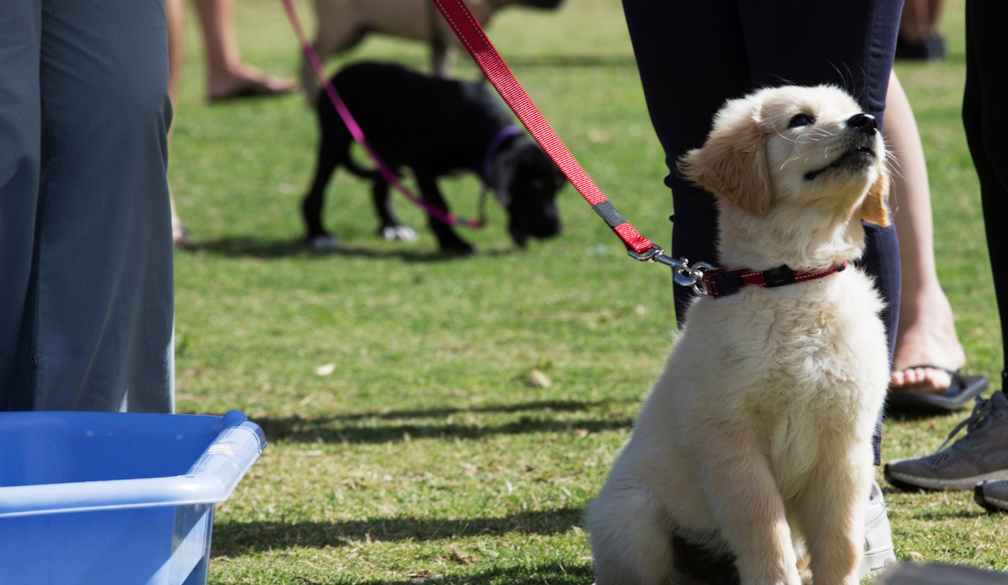
Navigating a household filled with the joyous chaos of multiple pets can often feel like directing a bustling circus. As pet owners, we revel in the unique personalities and quirky behaviours that each furry family member brings to our home. However, for a dog new to a multi-pet household, adapting to this dynamic can be a bewildering experience.
Training your dog to be calm in an environment that may include cats, birds, or other dogs requires a strategy steeped in patience, consistency, and positive reinforcement. This blog post aims to offer you a step-by-step guide to ensuring that your newest four-legged family member thrives harmoniously alongside other pets.
Why is Calm Behaviour Essential?
Before diving into training techniques, it's important to recognise why teaching your dog to remain calm is paramount. In a multi-pet household, each animal needs to respect the space and comfort zones of the others. A calm dog is less likely to engage in destructive behaviour, which can cause stress or even harm to other pets. The tranquillity also allows your dog to form positive relationships with fellow four-legged companions, making for a more serene household.
Step 1: Create a Safe Space
Before introducing your dog to other pets, designate a “safe space” where your dog can retreat if things become overwhelming. This could be a separate room or a secluded area partitioned off by a barrier. Equip this space with a comfortable bed, toys, and a water bowl.
For a convenient and stylish solution, consider using dog gates from Modern Pets to define these boundaries effectively – their range of aesthetically pleasing and durable gates allows you to ensure safety without compromising on the decor of your home.
Step 2: Controlled Introduction
Instead of allowing your pets to discover each other in a free-for-all fashion, plan a controlled meeting. Initially, keep your dog leashed and allow brief, supervised interactions with other pets. Observe the body language of all animals involved; if signs of stress or aggression manifest, it's vital to separate them immediately and try again later.
Step 3: Establish Ground Rules
Dogs thrive on consistency. Outline a set of rules for your dog – such as no jumping on furniture or other pets – and enforce them regularly. Make use of vocal cues like “no”, “stay”, and “down”, paired with hand signals for effective communication.
Step 4: Positive Reinforcement
Utilise treats and verbal praises as rewards when your dog exhibits calm behaviour around other pets. Positive reinforcement techniques significantly help in emphasising the behaviour you wish to see more frequently.
Step 5: Obedience Training
Obedience training not only teaches your dog commands but also socialisation skills. This can be particularly beneficial in multi-pet households where understanding hierarchy and territorial boundaries is key. Even basic commands like “sit” and “stay” can go a long way in maintaining calm.
Step 6: Desensitisation Techniques
If your dog shows a particularly high level of anxiety or excitability around other pets, desensitisation can be an effective approach. This entails exposing your dog to a situation that triggers excitement in small, manageable doses, gradually increasing the exposure as your pet becomes more comfortable.
Step 7: Exercise and Mental Stimulation
A tired dog is often a calm dog. Ensuring that your dog receives ample physical and mental exercise can significantly contribute to a peaceful coexistence with other pets. The pent-up energy otherwise might manifest in less-than-ideal behaviours such as excessive barking or chasing other animals.
Step 8: Monitor and Adjust
As you implement these strategies, continually assess their effectiveness. Be prepared to make adjustments to your approach, depending on what works best for your unique household constellation.
Ready to get started?
Fostering a harmonious environment in a multi-pet household doesn't happen overnight – it demands diligent effort, time, and a lot of love. But with the proper guidance and patience, your dog can learn to be an amicable member of your diverse furry family. The end result? A peaceful, happy home for all your pets to flourish in. Happy training!